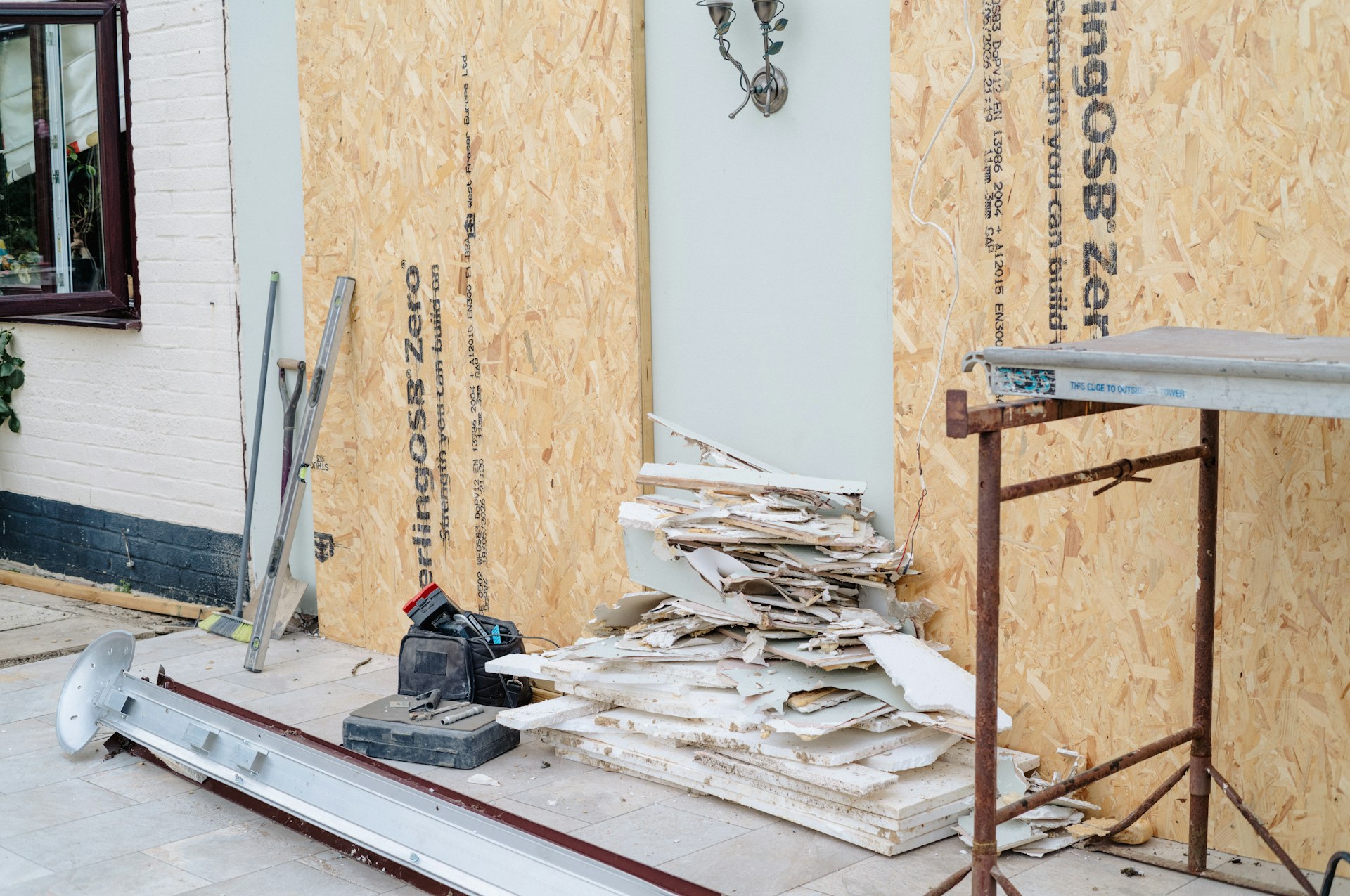
Water Damage Repair
Wet drywall, floors and trim assessed, removed where needed and put back.
View service (720) 731-0398
Water across the floor needs to come out fast. The longer it sits, the deeper it wicks into carpet pad, drywall and subfloor, and the more has to be torn out later.
Castle Rock Water Damage Pros is a free referral service, not a restoration company. Calls are answered by independent local providers who set their own prices.
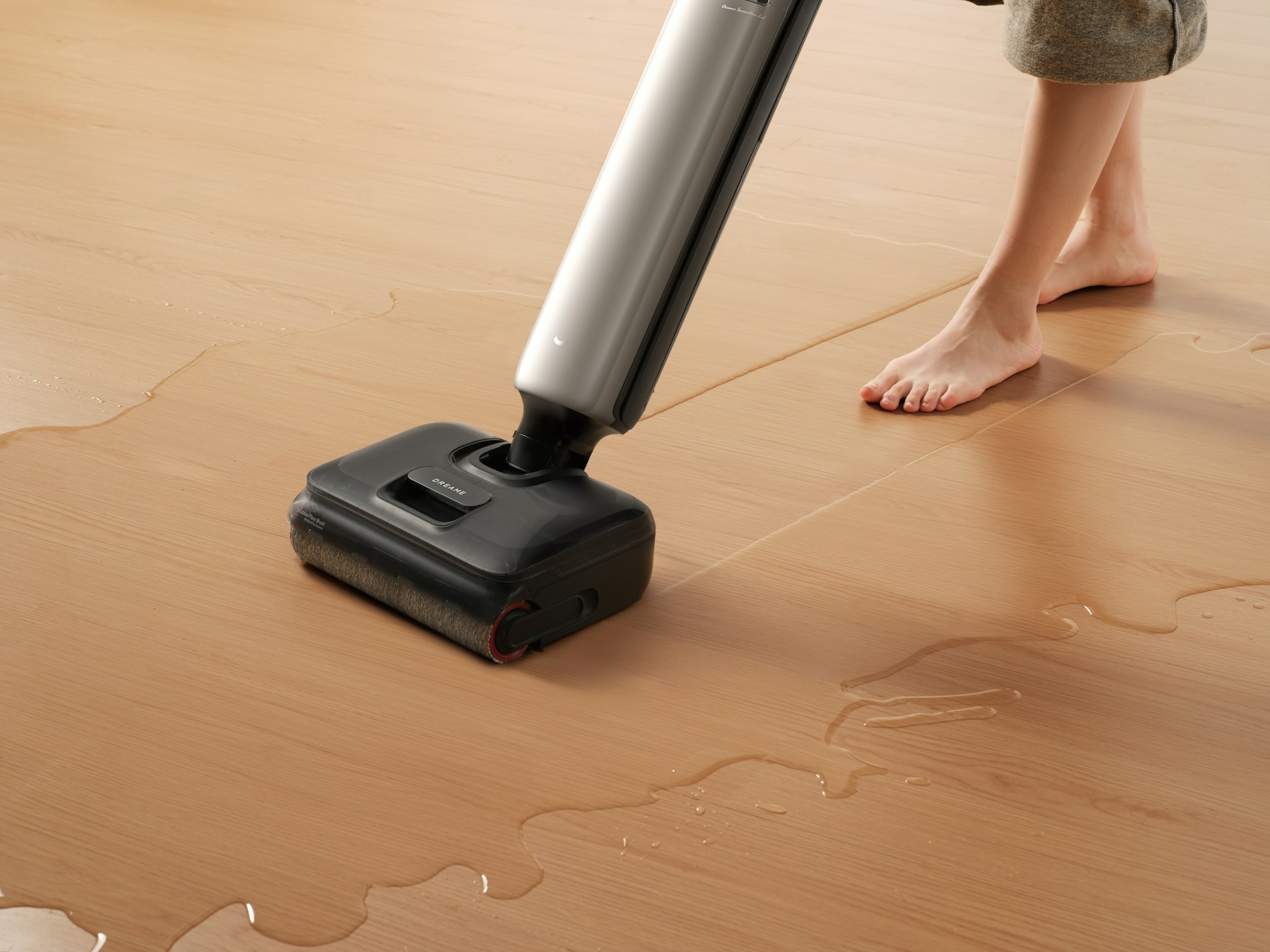
Emergency water extraction in Castle Rock removes standing water from floors, carpet and pad with submersible pumps, truck-mounted or portable extractors and weighted extraction tools. It is the first step of any water damage job, and it should start within hours, because water left in place spreads into walls and subfloors.
Emergency water extraction is the work of getting liquid water out of the house as quickly as possible. A crew uses submersible pumps where water is deep, then extraction wands and weighted tools that press down on carpet to pull water out of the pad. Hard floors are squeegeed and vacuumed. In Castle Rock, where many homes have finished basements, extraction often means carrying hoses down a stairway to a carpeted lower level.
Extraction is only the start. Once standing water is gone, structural drying in Castle Rock deals with the moisture left in walls, framing and subfloor.
The provider confirms the water is shut off at the home's valve and the leak is isolated.
Power to wet areas is checked and furniture is lifted onto blocks or moved.
Pumps remove deep water, then extractors pull water from carpet and pad.
Meters show where moisture remains so drying can be planned.
Any water you can see pooled on the floor needs to come out today.
Carpet that squelches underfoot means the pad is soaked.
Dark lines at the bottom of walls mean water is wicking up the drywall.
Even a thin film across a basement floor spreads under walls and flooring.
Water coming through a ceiling has already soaked the floor above.
Pipe burst in the cold snap? Shut the main valve, then call.Open 24/7 · Talk to a local provider in Castle Rock
Call 24/7 (720) 731-0398Frozen and split supply lines are the most common winter cause, especially in exterior walls, unheated garages and the hose bib line that runs through a basement rim joist. Water heaters that rupture at the tank, washing machine hoses that burst and failed sump pumps are common all year. In summer, intense thunderstorms and hail can overwhelm gutters and window wells and push water into basements.
Some sources are dirty. Water from a toilet overflow with waste or a backed-up floor drain is treated as sewage and handled differently; see sewage backup cleanup.
Before the crew arrives, photograph every wet room from the doorway, then close-ups of the source and anything valuable that got wet. Insurers ask for these, and they are impossible to take once extraction has started.
If water sat for more than a day, reached the drywall or ran under cabinets, extraction is only the first visit. The provider will set drying equipment and come back daily to take readings. If the water came from outside during a storm, ask whether your policy covers it; most standard homeowner policies exclude flood, which is covered separately through FloodSmart (NFIP) or a private flood policy.
Basement wet after a storm? Talk it through on the phone.Open 24/7 · Talk to a local provider in Castle Rock
Call 24/7 (720) 731-0398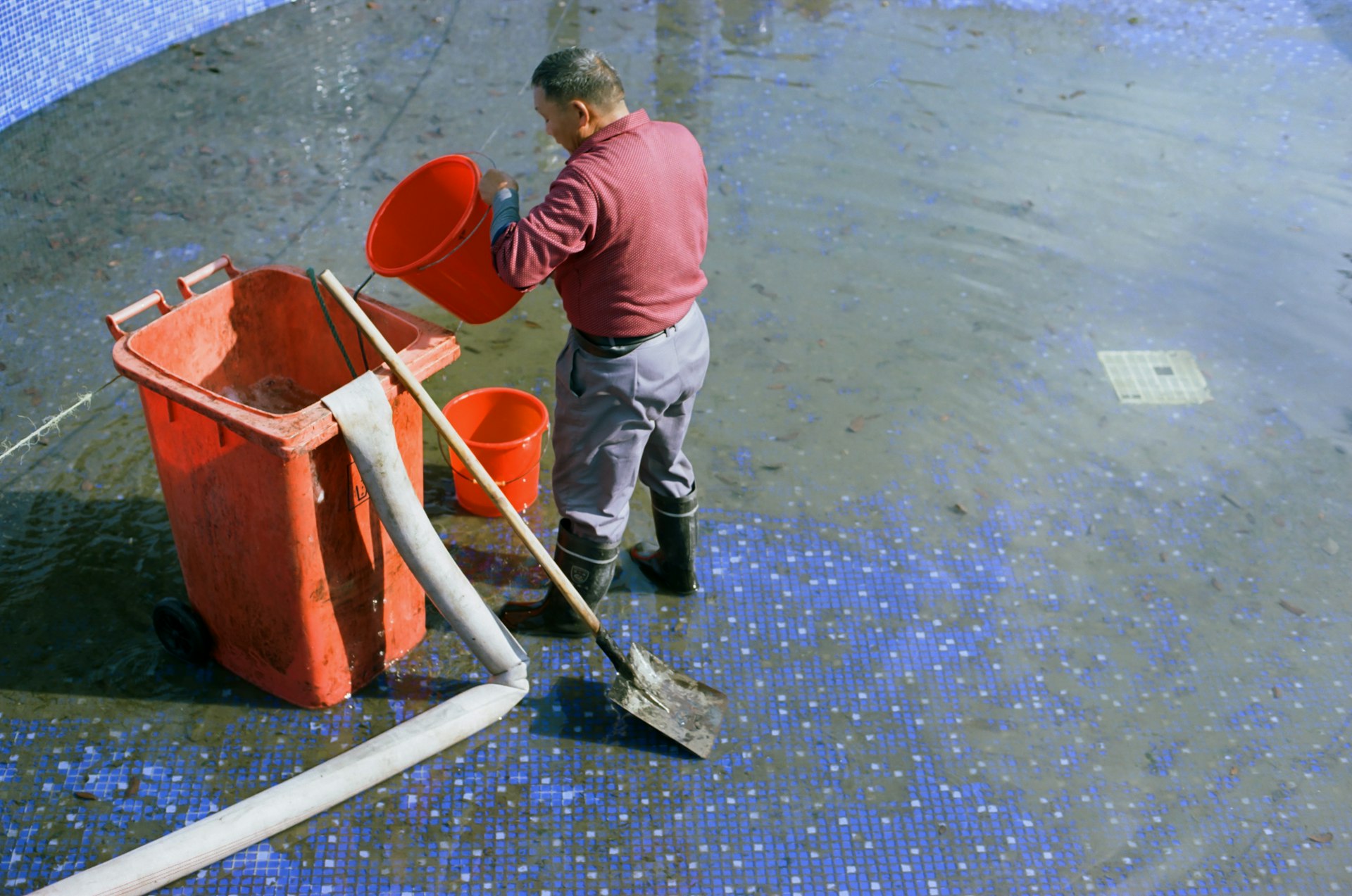
The technician confirms the main valve is closed and finds where the water came from.
They walk every wet room and mark how far the water reached under carpet and baseboards.
Pumps, extractors and how long it will take are explained, along with how the price is set.
Before leaving, they set drying equipment or book the drying visit.
Water on the floor right now? Call (720) 731-0398 for a local provider.Open 24/7 · Talk to a local provider in Castle Rock
Call 24/7 (720) 731-0398| Method | Best for | Limits |
|---|---|---|
| Submersible pump | Deep water in basements and window wells | Leaves a film that still needs vacuuming |
| Truck-mounted extractor | Large areas with good access from the driveway | Hoses must reach; not every home allows it |
| Portable extractor | Upper floors and tight access | Slower on big areas |
| Weighted extraction tool | Pulling water from carpet pad | Pad is often replaced anyway |
| Factor | Why it matters | What to ask on the call |
|---|---|---|
| Square footage wet | How much floor and wall area the water reached | How many rooms and which floors? |
| Category of water | Clean supply water, grey water or sewage | Which category is this and why? |
| Materials removed | Carpet pad, drywall, baseboard or insulation that cannot be saved | What will be removed, and what can dry in place? |
| Drying days | How many days air movers and dehumidifiers run | How will you show the readings each day? |
| Time of the call | Nights, weekends and holidays | Is there an after-hours charge? |
Pipes freeze on the coldest nights, and water heaters do not wait for business hours. Calls to (720) 731-0398 are answered 24 hours a day. If you cannot close the valve inside the house, the Town of Castle Rock's water line is 720-733-6000 for an emergency shut-off at the curb stop or meter pit; after hours, press 1 to be connected through Castle Rock Police to on-call staff, as described in the Town of Castle Rock water FAQ.
Pipe burst in the cold snap? Shut the main valve, then call.Open 24/7 · Talk to a local provider in Castle Rock
Call 24/7 (720) 731-0398Never walk into standing water if it may be touching outlets, extension cords, a furnace or a water heater. If you cannot reach the breaker panel from a dry floor, stay out and wait for help.
Before any emergency water extraction work in Castle Rock, ask whether the company is registered with the Town, see the Town contractor registration page, and whether the technicians hold IICRC certification. Colorado has no statewide general contractor license, so the Town's registration and the company's own certifications and insurance are what you can check. Ask for proof of liability insurance too.
Water does not stay where it lands. Within the first hour it spreads across the floor and into carpet pad. Within a few hours it wicks up drywall, sometimes a foot or more. By the next day it has soaked bottom plates, cabinet bases and the edges of subfloor. Every hour of extraction saved in the first day means less material removed later, a shorter drying time and a smaller bill.
Basement wet after a storm? Talk it through on the phone.Open 24/7 · Talk to a local provider in Castle Rock
Call 24/7 (720) 731-0398Restorers sort water into three categories. Category 1 is clean water from a supply line. Category 2, grey water, carries some contamination, such as dishwasher or washing machine discharge. Category 3 is grossly contaminated water, such as sewage or outside floodwater. Clean water left standing for a day or two can become Category 2, which is one more reason extraction should start quickly. The category decides what can be dried and saved and what has to be removed.
A finished basement is the hardest room to extract because carpet, pad, drywall and stud walls sit directly on concrete, which dries slowly. Ask the provider whether the carpet can be floated and dried in place, whether the pad will be replaced, and how they will check the bottom plates of the walls.
Extraction is the first of several steps in water damage restoration in Castle Rock. It is followed by drying, any tear-out that is needed and the rebuild. A provider who does extraction well sets up everything that follows: less water left behind means fewer days of equipment, less material removed and a smaller claim.
Water on the floor right now? Call (720) 731-0398 for a local provider.Open 24/7 · Talk to a local provider in Castle Rock
Call 24/7 (720) 731-0398In rentals, the tenant usually spots the water first and the owner arranges the work. Tenants should close the main valve if they can, photograph the damage and tell the landlord right away. Landlords who authorize extraction the same day usually save on repairs.
Most single-room jobs take one to three hours. A finished basement with carpet throughout can take most of a day.
Often, if the water was clean and it is extracted quickly. The pad under it is usually replaced because it holds water like a sponge.
For a small amount of clean water, a shop vac helps. Do not use household vacuums, and do not stand in water near outlets.
No. Extraction removes liquid water. Drying removes the moisture left in materials and takes several days with equipment.
Wet drywall, floors and trim assessed, removed where needed and put back.

Air movers and dehumidifiers dry walls, subfloors and framing, checked with meters.
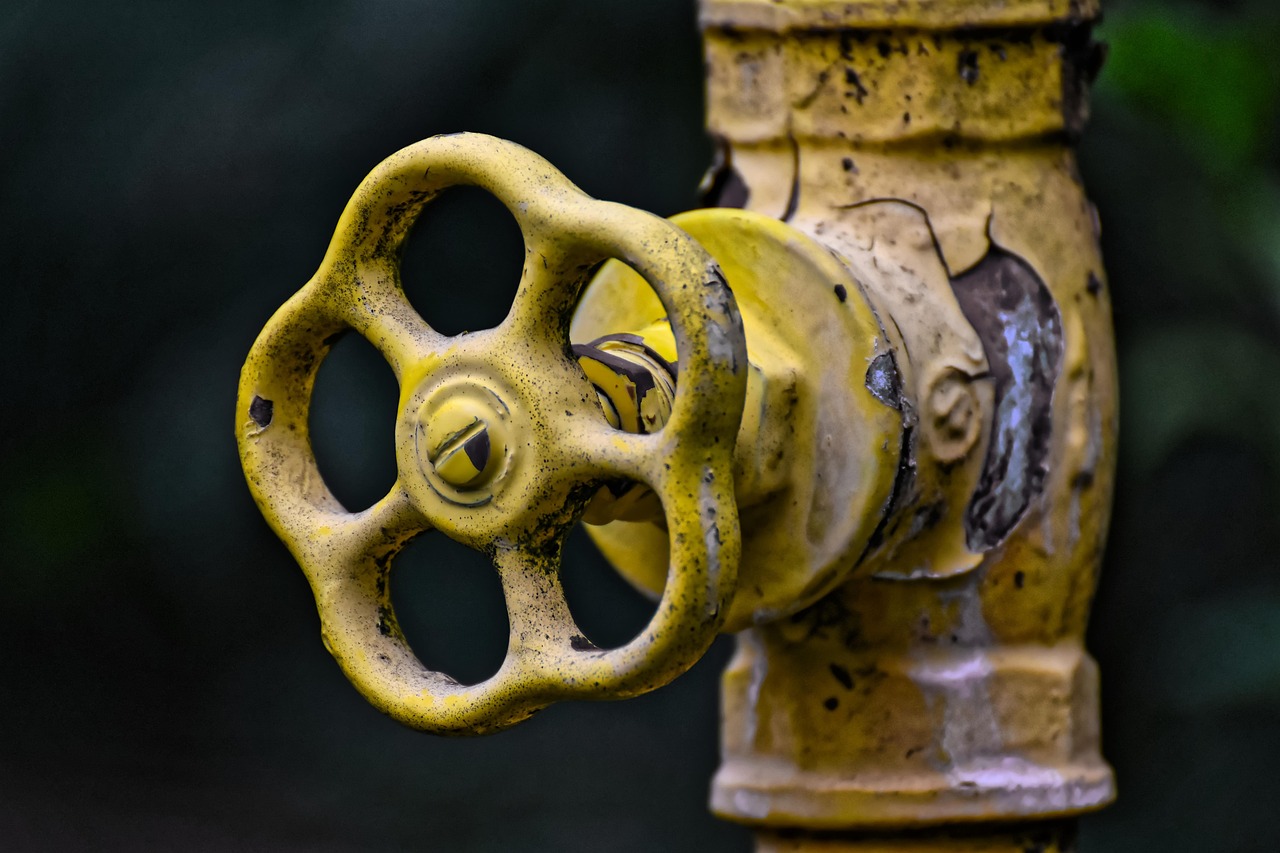
A pipe split in a cold snap? Water stopped, cleaned up and dried.
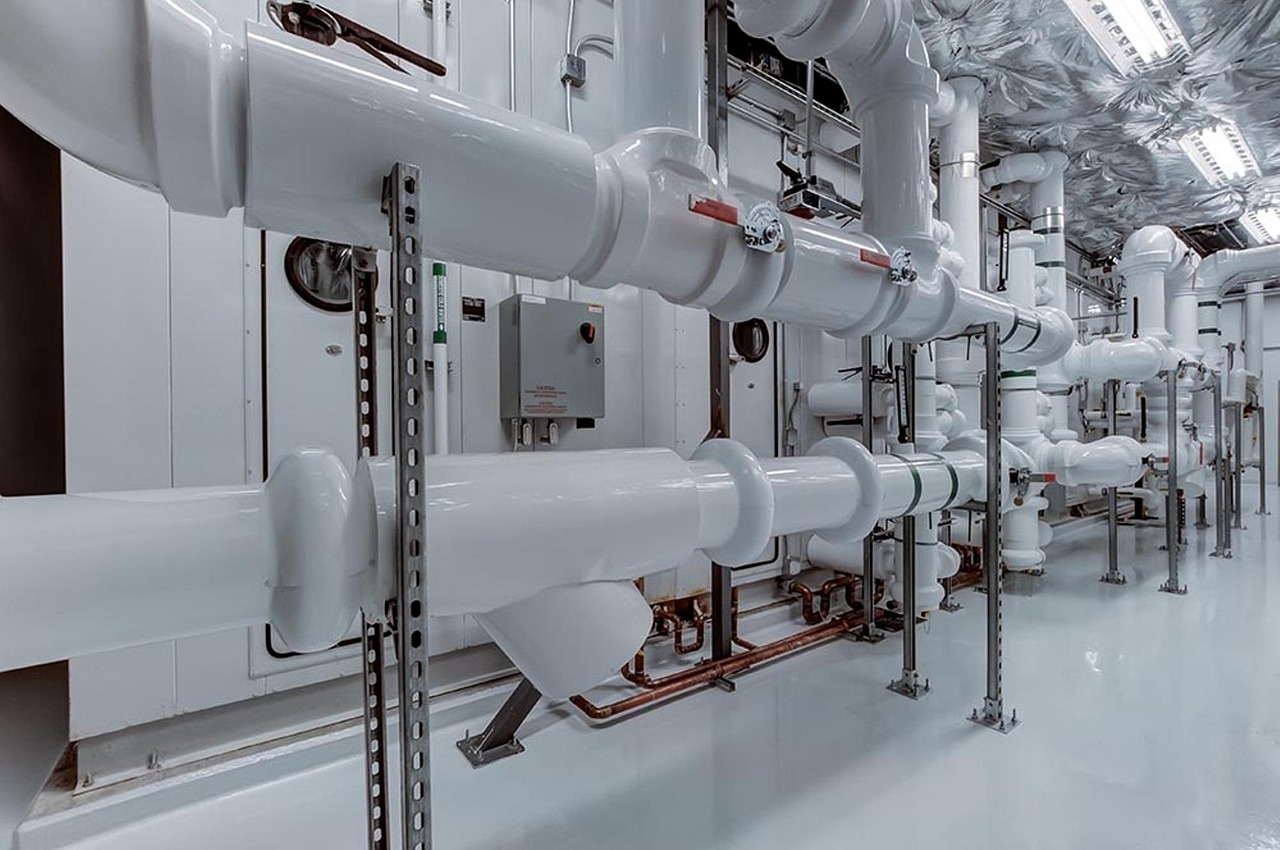
Water in the basement from a failed sump, a supply line or snowmelt, pumped out and dried.
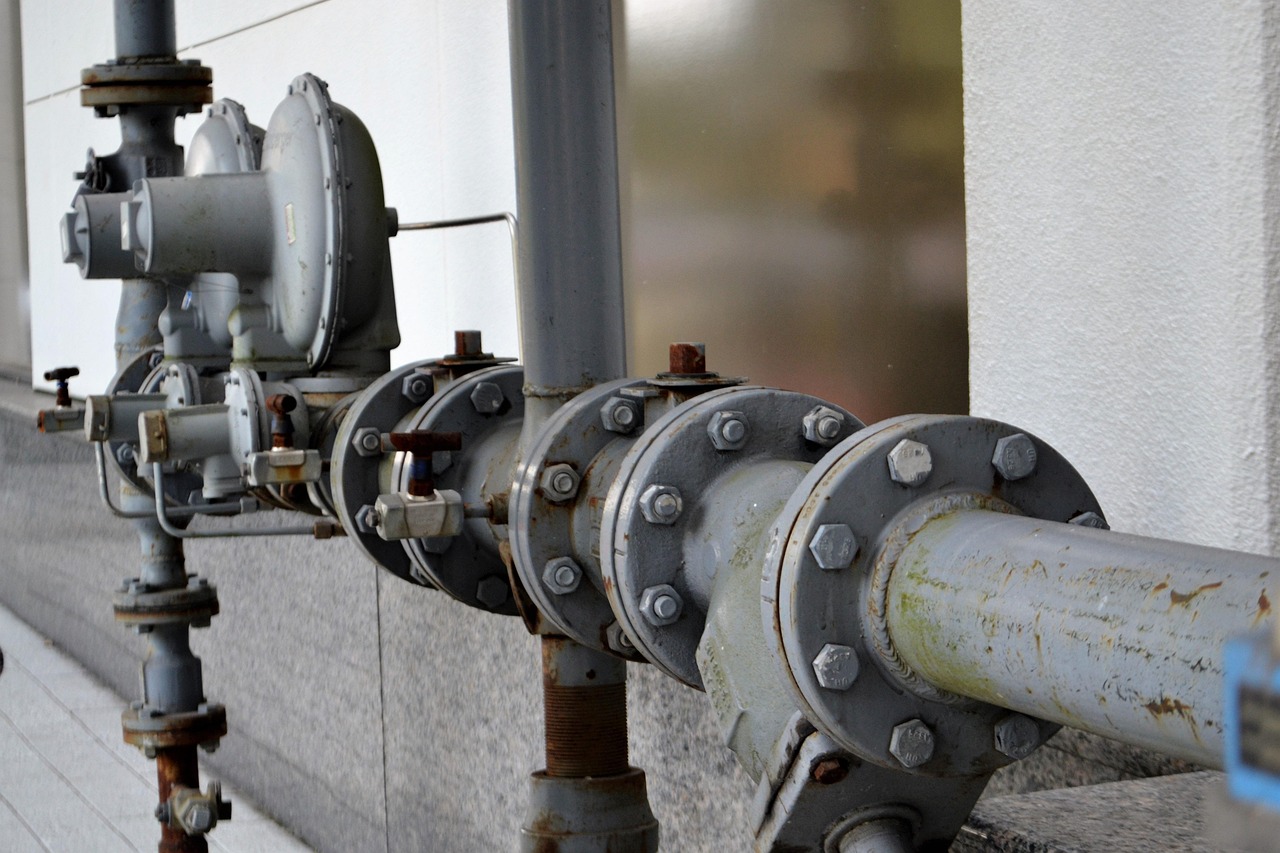
Mold that followed a leak contained, removed and the cause fixed.
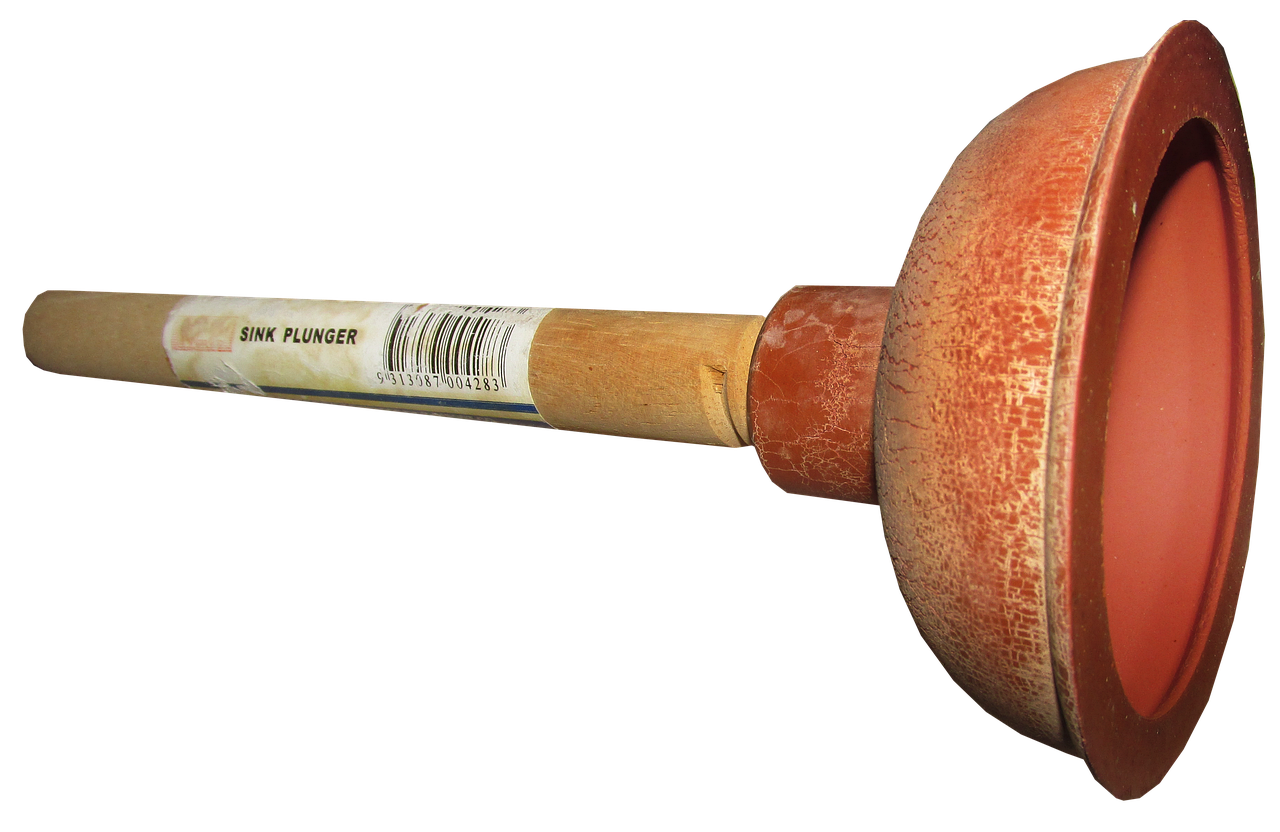
Sewage from a floor drain or toilet cleaned up safely, with affected materials removed.
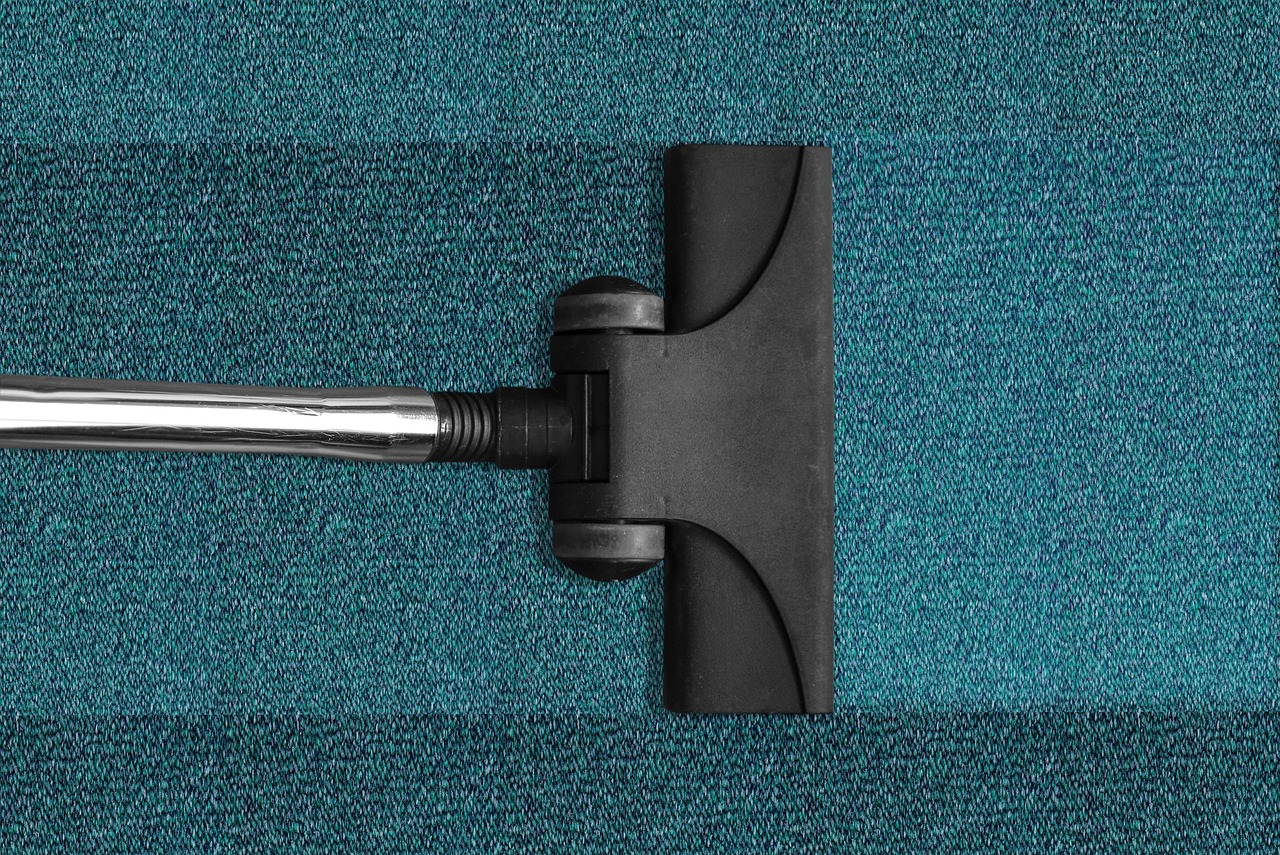
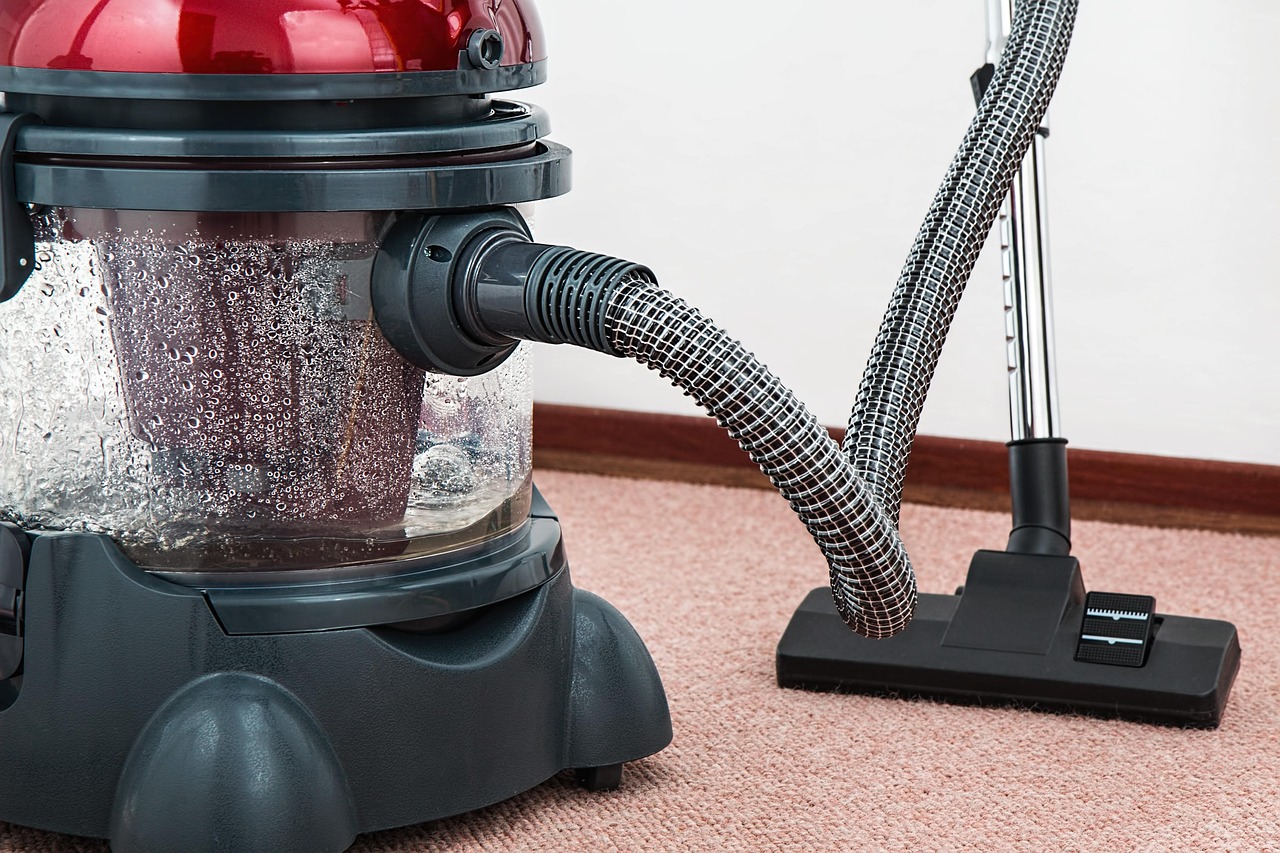

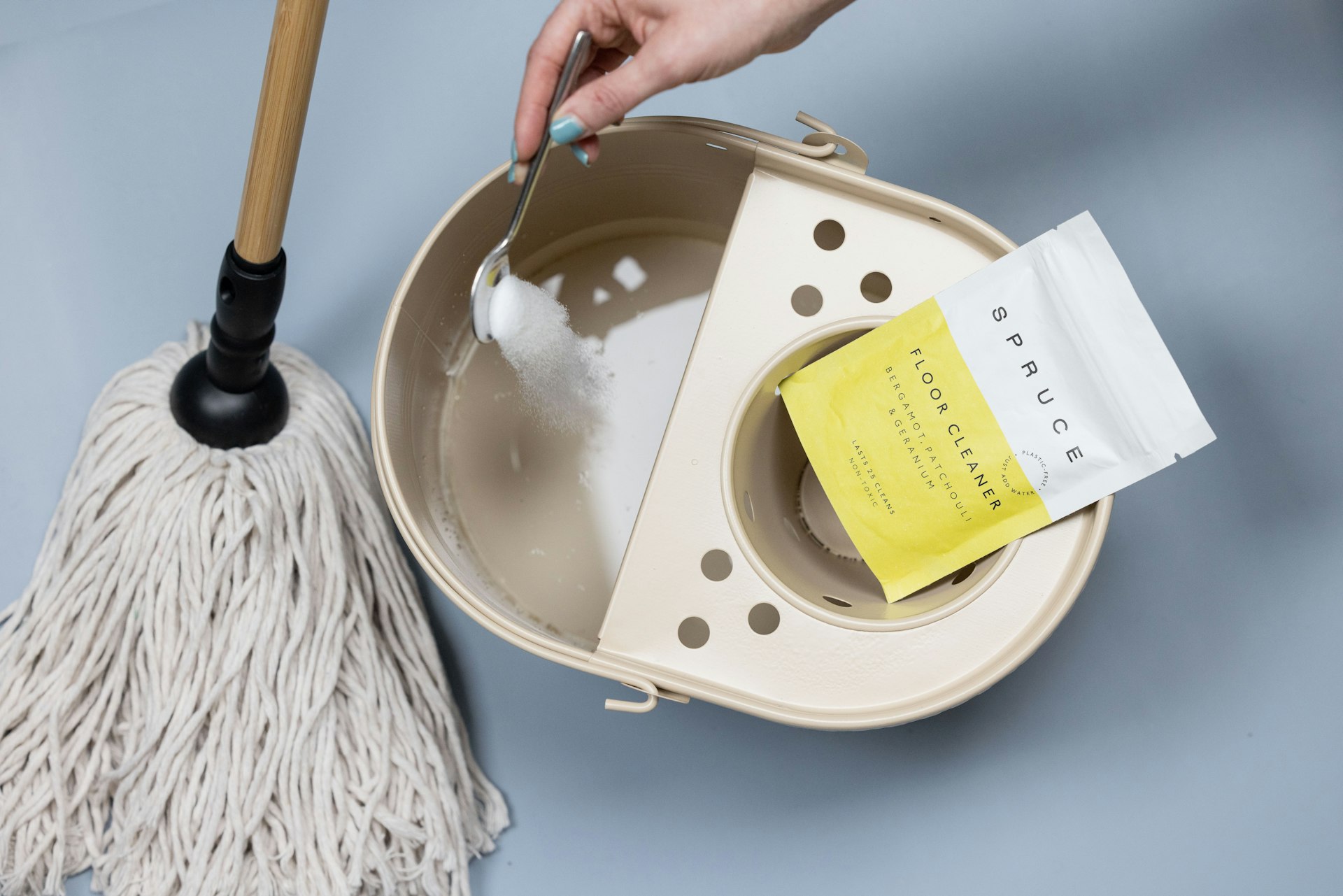

Representative photos of the kind of work local providers handle.
Talk to a local provider
One call connects you with an independent water damage restoration company that works in Castle Rock. They explain what they would do and how the price is set before anything starts.
(720) 731-0398